QAAFI’s high impact science has solved a 100-year mystery regarding the sexual cycle of the fungus that causes black spot on the fruit of Queensland mandarins. Researchers can now induce the production of sexual spores of this fungus in the laboratory, allowing for inoculation and screening for resistance against the black spot disease.
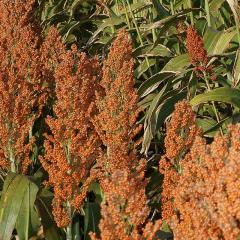
New data from on-farm trials conducted across NSW and Queensland has the potential to help growers lift the yields of sorghum by providing guidelines on how to match hybrids and management that better suit local, and expected seasonal outlooks.
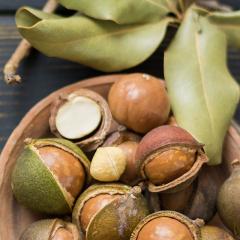
Macadamias are the first – and so far only – Australian native food crop to see significant commercial development, and the home-grown nut’s flavour and nutrition attributes have generated a surge in popularity in recent decades.
Climate change and extreme weather events are already impacting our food, from meat and vegetables, right through to wine. In our series on the Climate and Food, we’re looking at what this means for the food chain. The Conversation
An MLA-funded Producer Demonstration Site (PDS) has proved the three crucial management decisions impacting the productivity of replacement heifers are joining weight, bull selection and disease prevention.
A new vaccine offering season-long protection could play an important role in the battle against cattle ticks by reducing reliance on acaricides – pesticides which target ticks and mites – and allowing producers to move cattle from tick free to tick endemic areas. Researchers are also trialling a new single-dose tick vaccine delivery system.
In the International Year of Pulses, scientists are aiming to double the area in Queensland’s tropics and subtropics sown to these healthy, and often very profitable, legume crops.
The sorghum story is a strong example of what is possible when there is significant targeted investment in breeding and agronomic research, and a long-term commitment.