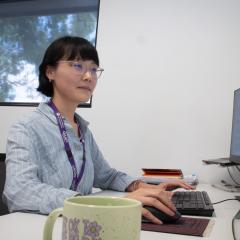
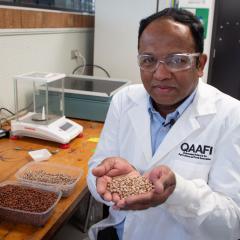
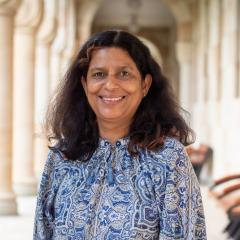
University of Queensland crop biotechnologist Dr Karen Massel is one of the state’s 2025 Young Tall Poppy Science Award finalists, celebrating her pioneering contributions to science and dedication to public engagement.
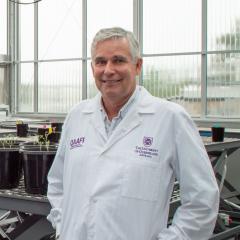
Pioneer and visionary are some of the words colleagues choose to describe crop scientist and climate modeller, Professor Graeme Hammer from The University of Queensland.
Researchers from China and Australia have agreed to expand scientific research cooperation on reducing emissions in agriculture, after a successful academic symposium at Nanjing University held in May.
Many of us reach for foods labelled as ‘organic’, assuming they’ll be free from chemical nasties and hold a higher nutritional value. But is this reputation deserved – and is organic food worth the higher price tag it often carries?
Field trials at The University of Queensland show microbial biotechnology could be a game-changer for farming with simultaneous benefits for soil regeneration, crop yield and carbon sequestration.
New sites for field trials part of a University of Queensland strategy to combat Phalaris are needed in southern Queensland and northern New South Wales.